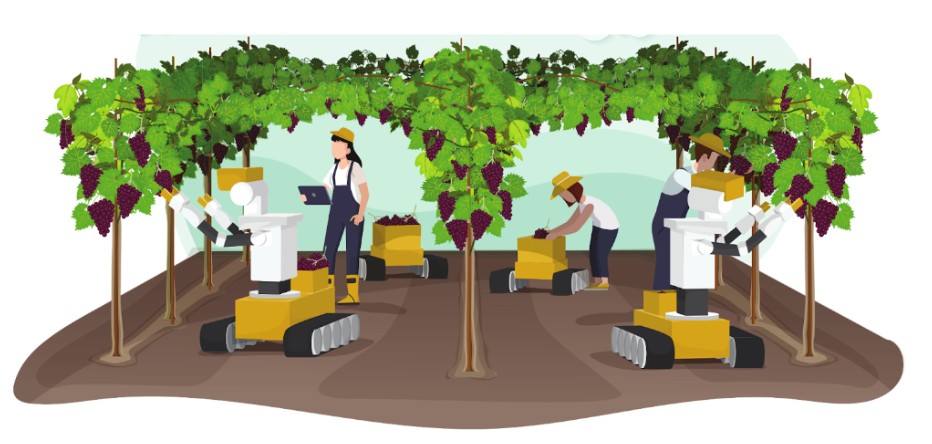
The European Canopies initiative: advancing human-robot collaboration in precision agriculture
The European Canopies initiative: advancing human-robot collaboration in precision agriculture
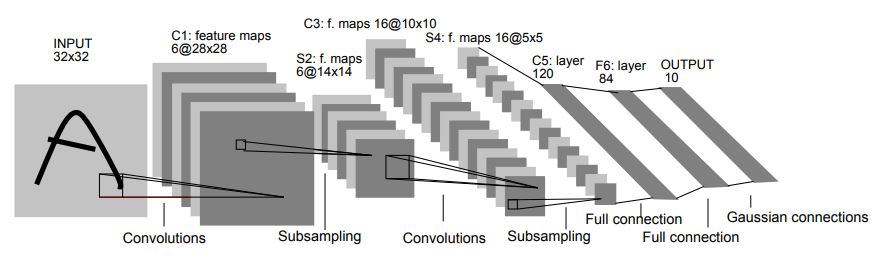
This project is part of the European Canopies initiative, aimed at enhancing human-robot collaboration in precision agriculture. The goal is to automatically detect anomalies in grape berries using Convolutional Neural Networks (CNNs), particularly a LeNet-based architecture, and compare its performance with a benchmark study.
The system focuses on automatically distinguishing between healthy and damaged grapes to improve crop quality monitoring and plant health assessment, contributing to more efficient and sustainable agricultural practices.
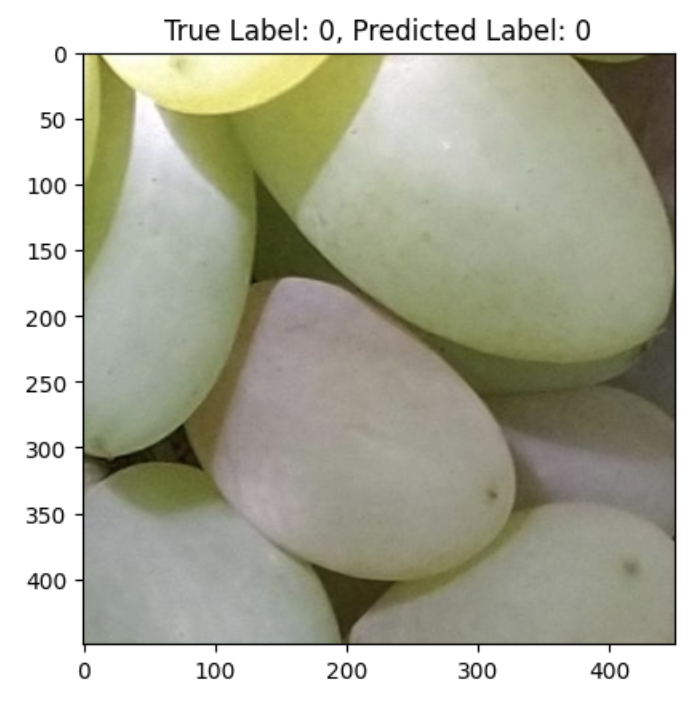
Healthy Grape
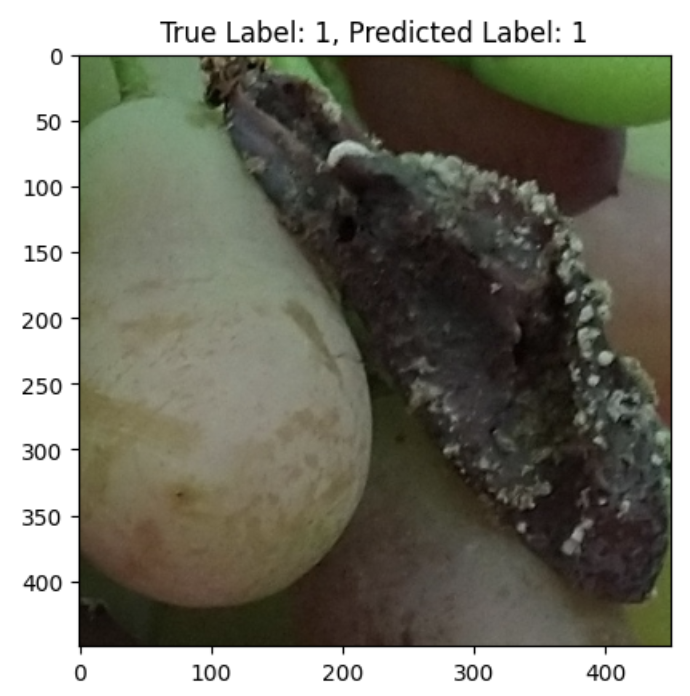
Damaged Grape
The dataset is composed of RGB patches at multiple zoom levels (focus on 1.5x), each containing a single grape.
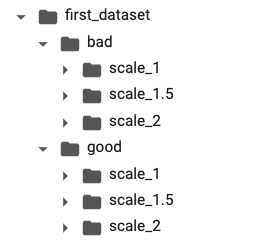
good/ (healthy grapes)bad/ (damaged grapes)To handle dataset imbalance (1:4 bad to good), image augmentation was applied via 90°, 180°, and 270° rotations, effectively balancing the dataset and improving model generalization.
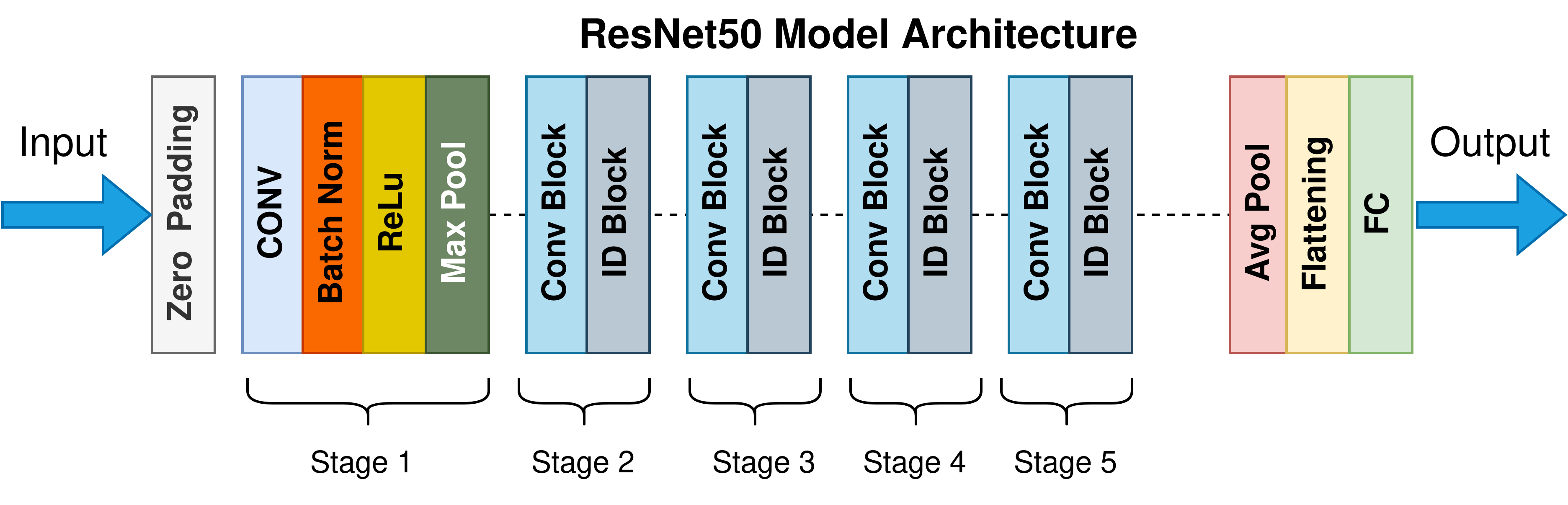
The benchmark paper used a LeNet CNN and compared it with a deeper ResNet50 (pretrained and from scratch). Despite the complexity of ResNet, LeNet showed greater stability and accuracy in the specific binary classification task.
0.00100.001Model saving via torch.save() was used to handle Google Colab time constraints and ensure reproducibility.
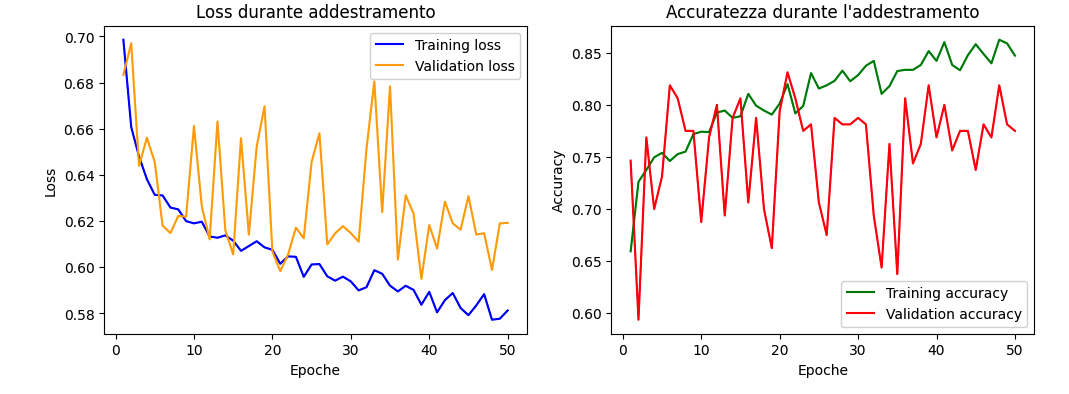
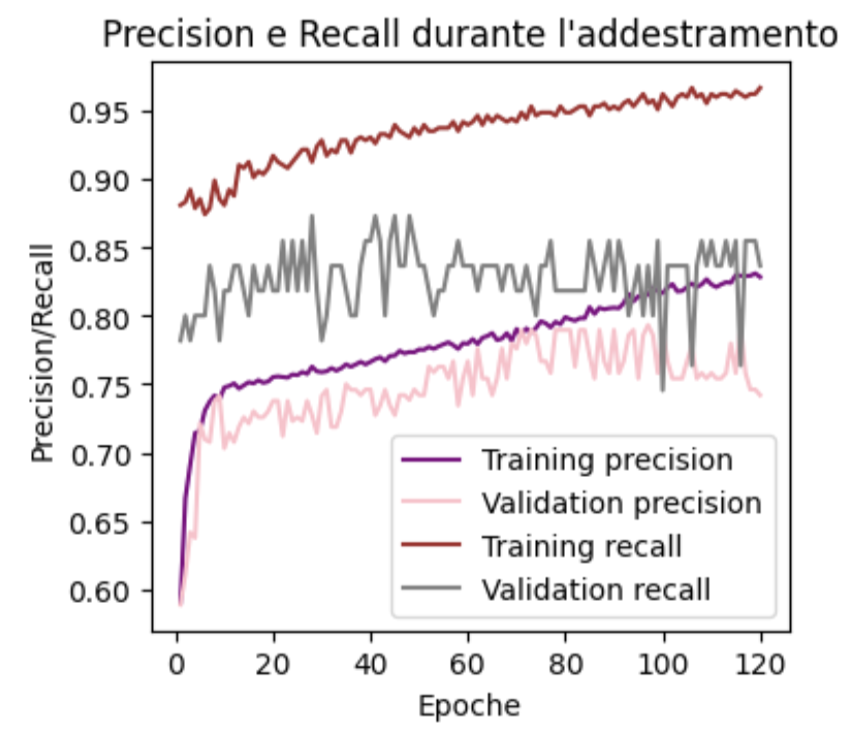
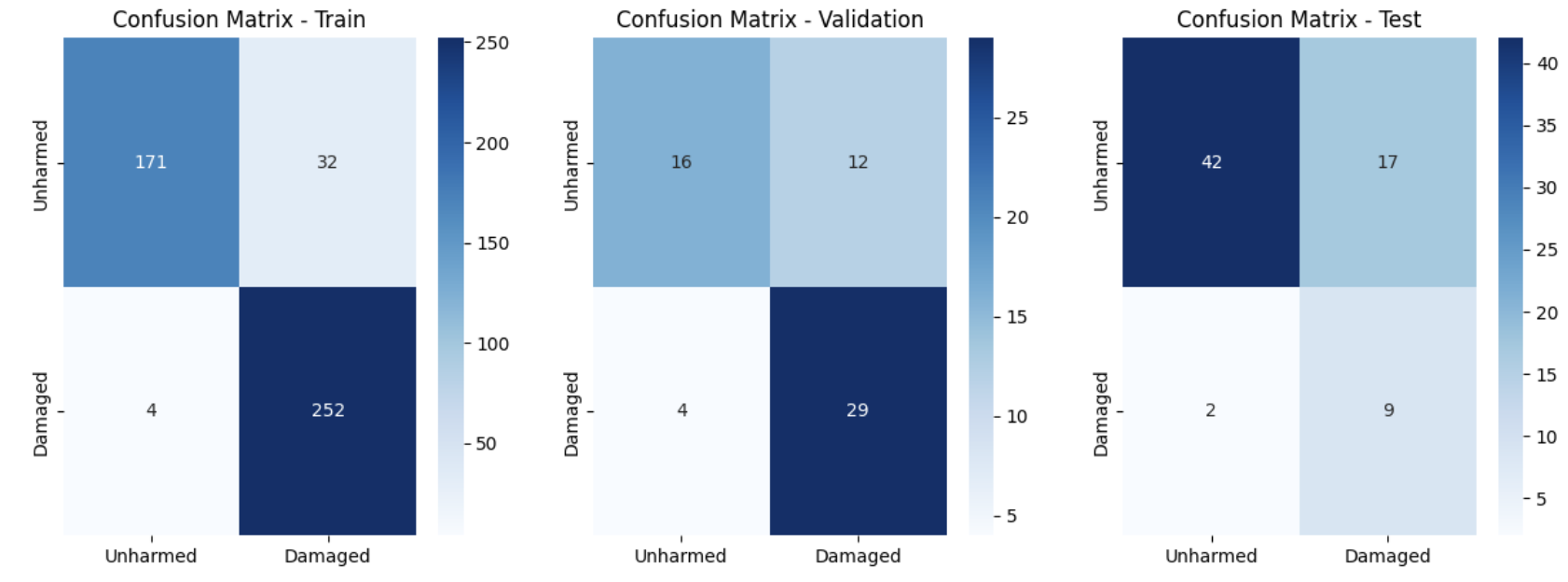
While the model performed reasonably well, it did not match the reference paper due to dataset quality issues:
Better image acquisition and labeling are crucial for achieving state-of-the-art results in agricultural computer vision applications. The quality of training data often matters more than model complexity.
@misc{decarlo2023grapes,
  title={Anomaly Detection on Grape Images Using CNNs},
  author={De Carlo, Andrea},
  year={2023},
  institution={Sapienza University of Rome},
  type={Bachelor's Thesis},
  note={European Canopies Initiative}
}